







Search Results for: Cima yeast
Panama Hacienda La Esmeralda Blue Label Geisha Pour-Over Flavor Analysis: Cima Yeast Washed Process and Estate Story
Panama's Hacienda La Esmeralda Geisha has long been the benchmark of the specialty coffee world, and this Blue Label washed Geisha stands out even more thanks to its Sima yeast fermentation. This article will walk you through everything about these beans: from the flavor layers of lavender, pomegranate, and ginger candy, to the growing conditions at Cañas Verdes farm and the experimental spirit of the Peterson family. We'll also explore whether it's good as a pour-over, along with Front Street Coffee's recommendations and brewing advice. Whether you're a Geisha enthusiast or interested in pour-over parameters, this article offers valuable reference. [more…]
Panama Hacienda La Esmeralda Red Label Geisha: An In-Depth Look at the 2018 Auction Lot Yeast Processing Method
In the world of specialty coffee, Panama's Hacienda La Esmeralda Red Label Geisha has always been a focal point of great attention. In 2018, this competition lot debuted with a rare yeast anaerobic fermentation process, ultimately setting a high price of $340 per pound at auction. This article will take you deep into Hacienda La Esmeralda's producing region background, the discovery journey of the Geisha variety, the specific techniques of the yeast processing method, and the green bean characteristics, roasting, and brewing key points of this Red Label Geisha. Front Street Coffee also obtained a small amount of Red Label natural and yeast-processed lots this year, sharing them with coffee lovers at a relatively affordable price. [more…]
Enzymatic Anaerobic Processing Explained: Flavor Differences Between Colombian Anaerobic and Wine Barrel–Processed Coffee Beans
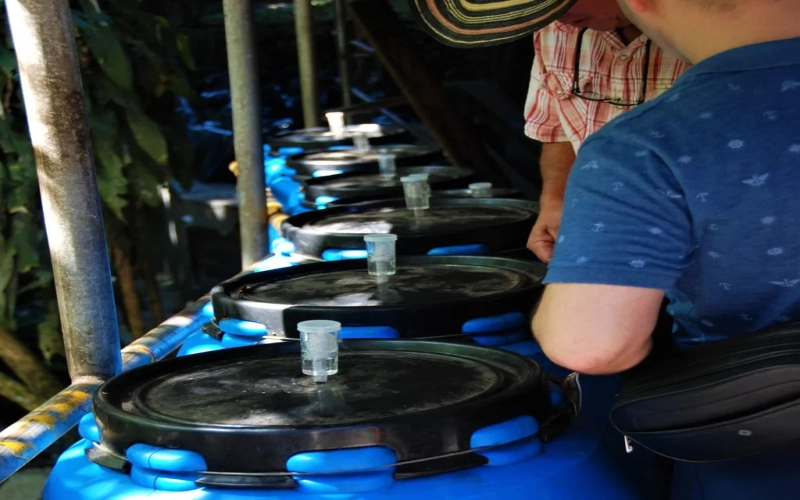
In recent years, the specialty coffee world has continuously introduced new post-harvest processing methods, and enzyme anaerobic processing is one that has attracted considerable attention. This article starts with two approaches—Colombian anaerobic processing and wine barrel processing—to explain in detail their process flows, fermentation temperature control, and differences in yeast strains, and further explores how knowledge of beer yeast inspires coffee fermentation. The article also covers actual cases of 90+ global online auction lots, as well as Front Street Coffee's observations on post-harvest processing trends, helping coffee enthusiasts understand how different fermentation methods shape the diversity of coffee flavors. [more…]
A Complete Guide to Anaerobic Fermentation of Coffee Beans: Processing Fundamentals, Six Key Control Factors, and Practices for Quality Consistency
Fermentation is a core step in coffee processing that shapes flavor direction. It is driven by microorganisms such as yeasts and bacteria, which convert sugars and acids within the coffee cherry into acids and alcohols. Good, controlled fermentation can highlight a coffee's varietal characteristics, while uncontrolled fermentation may bring negative flavors reminiscent of spoilage and spoiled wine. Starting from the basic principles of fermentation, this article sorts out the differences between the two pathways—aerobic and anaerobic—and, around six major factors—coffee cherry quality, cleanliness, oxygen, microorganism and yeast types, time and temperature, and data recording—explains how to improve the consistency and repeatability of fermentation. It also emphasizes that coffee quality is largely fixed during the growth stage, and the role of fermentation is to extract and preserve excellent characteristics rather than to elevate quality out of thin air. The article also introduces Front Street Coffee's ongoing attention to knowledge related to fermentation and processing methods, for the reference of coffee enthusiasts. [more…]
How Do You Distinguish Anaerobic-Processed Coffee from Flavored Coffee? Is Added Flavoring Harmful to Health? A Detailed Explanation of Special Processing Methods
In recent years, the processing method descriptions on coffee bean labels have become increasingly long, with various special processing methods, primarily anaerobic, emerging one after another. When many consumers drink anaerobically processed coffee with unique flavors, they wonder whether flavorings were added during roasting. This article sorts out the differences between anaerobic natural and anaerobic washed, explains why special processing methods are mostly led by well-funded estates, and cites the views of world champion Sasa to clarify the essential differences between flavored coffee and the addition of enzymes or yeast fermentation. It also answers questions such as whether anaerobic coffee is equivalent to flavored beans and whether it harms health, helping coffee lovers understand more transparently where the flavors in their cup come from. [more…]
Lactic Acid Fermentation in Green Coffee Processing: Principles, Applications, and Flavor Impact
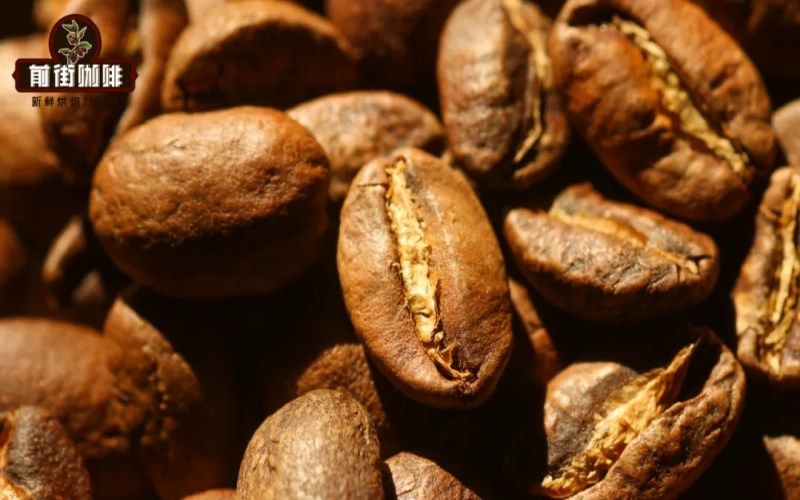
Lactic acid fermentation is widely used in the food industry, from kimchi to yogurt, it is indispensable. In the processing of green coffee beans, this technique is increasingly being adopted by more and more estates to create richer floral and fruity notes and a fuller body. This article guides you through the mechanism of lactic acid bacteria, their role in washed processing, and how controlled fermentation can achieve flavor breakthroughs. At the same time, the practical case of the Palm Tree and Toucan Estate in Colombia demonstrates the potential of lactic acid fermentation in specialty coffee. Front Street Coffee will also recommend related products worth trying. [more…]
An In-Depth Analysis of the CM Processing Method: How Carbonic Maceration Shapes the Flavor and Mouthfeel of Coffee Beans
Coffee processing methods have long ceased to be limited to natural, washed, honey, and wet-hulled techniques. In recent years, a method known as CM processing has gradually entered the public eye. CM stands for Carbonic Maceration, translated into Chinese as carbonic maceration processing, and it belongs to the anaerobic fermentation family. It allows coffee to present a richer layering of aromas while inhibiting the production of sharp acetic acid flavors. Since its introduction, this processing method has continued to evolve and has twice helped competitors reach the top of the World Coffee Championship, in 2015 and 2018. This article will systematically sort out the origins and development of CM processing from perspectives such as fermentation principles, microbial action, and fermentation differences among various processing methods, and explore its actual impact on coffee quality and flavor performance. [more…]
The Three Major Coffee Processing Methods: Washed, Natural, and Honey—A Full Analysis of Flavor Differences and Processing Details
The flavors of coffee are endlessly varied. Beyond variety and roasting, the fermentation process during green coffee processing plays a decisive role. The three common methods—natural, washed, and honey—each rely on different fermentation environments and microbial activity to shape distinctly different sweetness, acidity, and body. This article begins with the scientific principles of fermentation, systematically sorts out the differences between dry and wet fermentation, explains in detail the key points of natural, honey, washed, and Kenyan-style and Ethiopian-style washed processing, and includes Front Street Coffee's recommendations and buying advice to help you understand more clearly where the flavors in your cup come from. [more…]
A Complete Guide to Coffee Bean Fermentation Processing: Flavor Differences and Key Techniques of Natural and Washed Methods
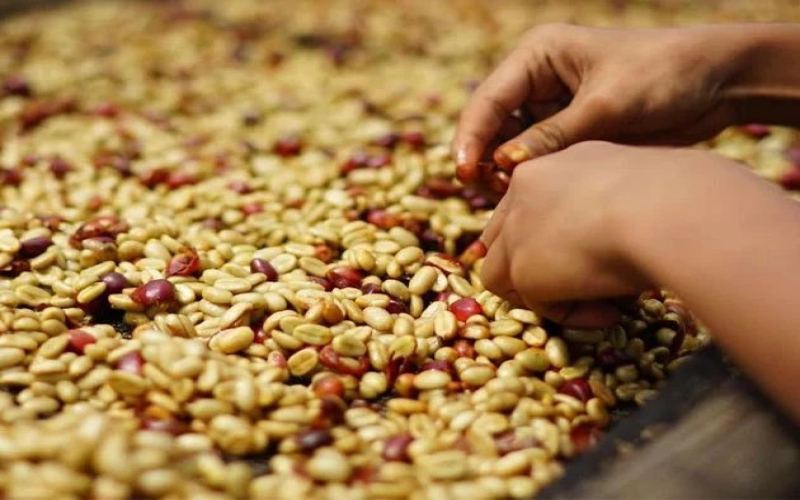
Coffee fermentation processing is a key step that determines the final flavor, and different processing methods bring completely different taste experiences. Starting from the basic principles of fermentation, this article systematically sorts out the characteristics of dry fermentation and wet fermentation, and analyzes in detail the specific processes and flavor trends of the three common processing methods: natural, honey, and washed. Whether you are a beginner coffee enthusiast or a seasoned player hoping to refine your brewing skills, understanding the differences among these processing methods can help you more accurately select and taste coffee beans. The article also specifically introduces the unique features of Ethiopian-style and Kenyan-style washing, as well as related product recommendations from Front Street Coffee, taking you into the wonderful world of green coffee processing. [more…]
The Flavor Spectrum of Experimental Processing Methods: From Barrel Fermentation to Anaerobic Maceration
Anaerobic natural, lactic fermentation, barrel-aged, yeast inoculation—the vocabulary of specialty coffee processing methods has exploded in recent years, and coffee menus increasingly read like a brewery's process manual. These experimental processing methods are not marketing coinages; each one corresponds to a genuine technological innovation. This article maps out the mainstream lineage and examines "flavor alchemy." [more…]
Colombia Finca La Divisa Ombligon Coffee: Variety Origin, Thermal Shock Fermentation Process, and Flavor Analysis
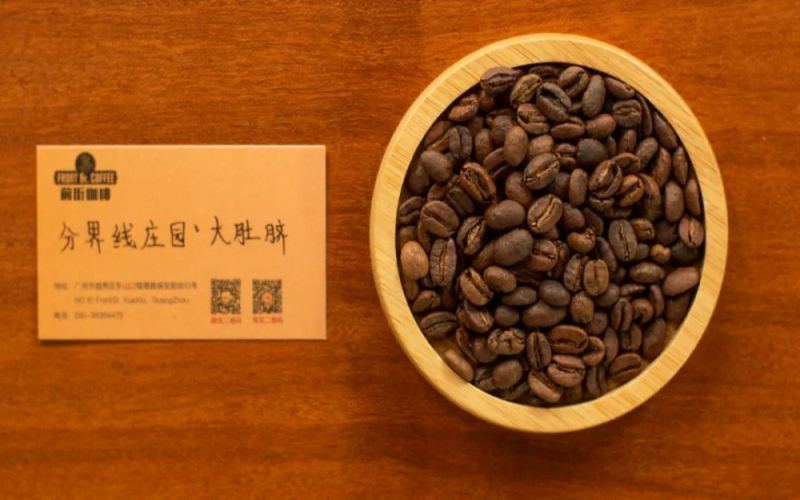
On the stages of the 2023 WBC finals and the WBrC in Chicago, a Colombian coffee variety named "Ombligon" appeared frequently, drawing industry attention. It comes from Finca El Diviso in the Huila region; its fruit resembles a papaya with a small ring at the bottom, and its name derives precisely from this. Genetic research shows it is related to Ethiopian landraces, yet it is a unique variety formed through natural mutation in Colombia. Finca El Diviso has tailored a processing protocol for Ombligon that includes hot-water flotation, sealed fermentation, and sugar-solution-activated yeast—known in the industry as "thermal shock fermentation"—allowing this bean to display layered fruit flavors reminiscent of grapes, oranges, blueberries, and pineapple juice. In this article, Front Street Coffee will guide you through a comprehensive understanding of Ombligon's varietal characteristics, estate background, processing details, and pour-over recommendations. [more…]

Analysis of Coffee Flavors from Carbonic Maceration: The Wine-Making Process and Operational Flow of CM Processing
Carbonic maceration processing, also known as the CM process, falls under the category of anaerobic processing. In 2015, Sasa won the World Barista Championship with this type of coffee bean, bringing this innovative technique into the public eye. The method was inspired by red wine making, achieving fermentation by injecting carbon dioxide into a sealed stainless steel tank. The CM process has two versions, natural and washed, differing in the material fermented inside the tank. This article provides a detailed analysis of its flavor characteristics, processing flow, and key control parameters, along with related product recommendations from Front Street Coffee. [more…]
Front Street Butterfly Coffee Bean Variety Flavor Characteristics and a Complete Analysis of the Panama Washed Processing Method
In Front Street's bean lineup, there is a coffee bean from Panama that is not only affordably priced but also bears a poetic name—Front Street Butterfly. It carries 40% Geisha heritage, with three varieties—Geisha, Caturra, and Catuai—cultivated together in the Boquete Baru Volcano region at an altitude of about 1,600 meters. The abundant local rainfall, significant day-night temperature difference, and volcanic rock soil, combined with fine washed processing, make this bean stand out in body, acidity, and floral expression. This article will provide a detailed explanation of its varietal composition, processing method, flavor profile, and roasting approach, giving you a comprehensive understanding of the charm of this high-value Panama bean. [more…]
The Bitter Truth About Mandheling Coffee and Brewing Techniques: A Full Analysis of Sumatra Wet-Hulled Flavor
Mandheling coffee is the representative coffee of Sumatra, Indonesia, in Asia, famous for its rich, substantial body and unique herbal and chocolate flavors. Is it actually bitter? How should it be brewed to taste good? Starting from the origin background of Front Street Mandheling, this article provides a detailed analysis of the differences between the Lintong producing region and PWN Golden Mandheling, the flavor changes at different roast levels, and the complete process and flavor formation of Sumatra's wet-hulling method. Finally, using pour-over as an example, it gives specific brewing parameters to help coffee lovers fully understand the character and charm of this classic coffee. [more…]
Analysis of Coffee Bean Fermentation Principles and Processing Techniques: From Microbial Reactions to the Key to Flavor Consistency
Fermentation plays an irreplaceable role in coffee processing, directly influencing the final flavor profile and sensory quality of the coffee. How sugars and acids break down under controlled conditions, how microorganisms participate in the process, and why fermentation consistency matters so much for market partnerships—these are all key to understanding coffee quality. Drawing on the hands-on experience of Finca Black Mountain in Guatemala and Capricornio Coffee in Brazil, and incorporating the research perspective of agricultural engineering PhD Mauricio Villegas, this article systematically examines the mechanisms of coffee fermentation, common misconceptions, and methods for achieving reproducibility. Whether you are a coffee professional or a devoted enthusiast, you will gain a clear understanding of the relationship between fermentation and coffee quality. [more…]

What Exactly Is Coffee Fermentation? Analyzing the Differences Between Aerobic, Anaerobic, and Double Anaerobic Fermentation
In coffee tasting, "fermentation" is a term that is often mentioned but easily misunderstood. It does not mean that the coffee contains alcohol; rather, it describes an aroma and mouthfeel reminiscent of ripe fruit or even overripe fruit. Coffee itself is a fermented food, and its flavor is deeply influenced by the way it is processed. This article starts from everyday conversations at Front Street stores and systematically explains the essence and sources of fermenty notes, as well as the differences between aerobic fermentation, anaerobic fermentation, and double anaerobic fermentation. At the same time, we will also explore how the fermentation process shapes coffee's aroma and complexity, and recommend Front Street's natural, honey-processed, and anaerobic-processed coffee beans for different preferences, helping you find the cup that suits you best in your everyday purchases. [more…]
Anaerobic Fermentation and Red Wine Processing: The Principles, Evolution, and Front Street Brewing Practices of Specialty Coffee Bean Processing Methods
In recent years, anaerobic fermentation and red wine processing methods have continued to gain popularity in the specialty coffee world. From the promotion by 2015 WBC champion Sasa Sestic to the early explorations of Costa Rican coffee farmers, these processing techniques, which draw on winemaking ideas, have brought coffee rich flavors such as strawberry jam, fermented wine aromas, and tropical fruits. This article systematically reviews the scientific principles of anaerobic fermentation, its essential differences from traditional processing methods, and the specific operational workflow of carbonic maceration. It also combines two representative beans from Front Street Coffee—Colombia Flower Moon Night and Panama Hartmann—to share roasting and brewing parameters, helping coffee lovers gain a deeper understanding of the core logic of this special processing method. [more…]
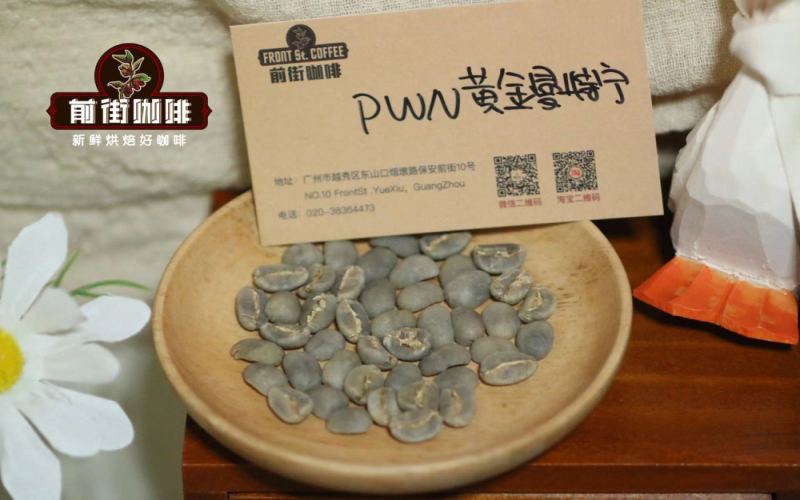
Indonesian Mandheling Coffee Bean Variety | Is PWN Golden Mandheling Arabica Coffee? Which Is Better for Brewing Golden Mandheling: Pour-Over, Siphon, AeroPress, or French Press?
For more specialty coffee knowledge, please follow the WeChat official account: Front Street Coffee (FrontStreet Coffee). Mandheling is a coffee produced in Sumatra, Indonesia, Asia, so it is also called Sumatra coffee. Its main producing areas include Java, Sulawesi, and Sumatra. [more…]

Where Does the Aroma of Colombia Rose Valley Coffee Come From? Analyzing the Role of Volcanic Soil and Anaerobic Enzyme Washed Flavor Formation
Front Street Colombia Rose Valley has become a highly talked-about coffee on the bean list thanks to its signature flavors of peach, cranberry, liqueur chocolate, and rose florals. Where exactly does its intense aroma come from? Is it a flavored bean? This article traces the real causes of Rose Valley's flavor step by step, from the volcanic soil of the Santander growing region and the characteristics of the Caturra variety to the anaerobic enzyme washed processing method that rose to prominence after 2014, and includes Front Street Coffee's in-store V60 brewing parameters and three-pour extraction steps to help you recreate at home that cup combining berry-like acidity with caramel sweetness. [more…]
A Complete Guide to Indonesian Mandheling Coffee: From the Differences Between Lintong and Golden Mandheling to Wet-Hulling and Four Brewing Methods
Mandheling is one of the most representative coffees of Sumatra, Indonesia, known for its full body, low acidity, and spicy, herbal notes. This article explores the differences between Lintong Mandheling and Front Street Coffee's PWN Golden Mandheling in terms of origin, variety, processing method, and flavor, and explains in detail how the Sumatra wet-hulling process shapes their unique character, including the causes of peaberry beans and defect control. At the same time, Front Street Coffee conducts a brewing comparison of PWN Golden Mandheling using four methods—pour-over, AeroPress, siphon, and French press—presenting the flavor performance and extraction recommendations under different brewers, helping coffee enthusiasts gain a more comprehensive understanding of Mandheling. [more…]